
What Is Container Transport and Why It Matters for Businesses
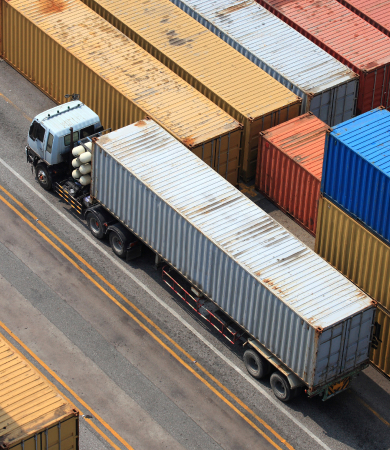
Container transport refers to the use of standardized steel boxes, called shipping containers, designed for secure, efficient movement of goods across multiple transport modes—road, rail, and sea—without the need for repacking. These robust units protect cargo from weather, theft, and damage during long hauls. Adelaide container transport and Adelaide freight Services forms the backbone of the local economy, connecting the bustling Port of Adelaide to diverse sectors like manufacturing in Elizabeth, agriculture in the Riverland, mining operations near Whyalla, and retail outlets across South Australia. By linking these hubs to interstate and international markets, container transport enables seamless supply chains, reducing downtime and inventory costs for businesses. Companies that master it gain a competitive edge, slashing expenses by up to 30-50%, accelerating deliveries from weeks to days, and adapting to Australia’s dynamic trade environment amid rising export demands for wine, grain, and minerals.
At its heart, shipping container transport revolves around two primary sizes: the 20-foot Twenty-Foot Equivalent Unit (TEU), which holds about 33 cubic meters or 10-14 tonnes, and the 40-foot Forty-Foot Equivalent Unit (FEU), doubling capacity to 67 cubic meters and 26+ tonnes depending on cargo density. These ISO-standardized boxes accommodate everything from heavy machinery and palletized consumer goods to fragile wine barrels from the Barossa Valley or sealed mining equipment. Loading begins at Adelaide’s industrial powerhouses like Wingfield’s vast warehouse precincts or Gillman’s logistics parks, where forklift operators palletize goods inside the container’s double doors. Once packed, overhead gantry cranes or mobile hiabs hoist the unit onto specialized tilt-tray trucks, which tilt at 45 degrees for slide-on/slide-off without heavy lifting.From there, trucks navigate arterial routes like the M2 motorway or Dukes Highway for interstate runs, delivering to intermodal terminals. At the Port of Adelaide’s Outer Harbor or Osborne precincts, containers transfer to Pacific National rail wagons for efficient Melbourne (12-24 hours) or Perth (3-5 days) journeys, or stack onto geared vessels via quay cranes for export voyages across Gulf St Vincent to Asia or Europe. This intermodal fluidity—road to rail to ship—cuts handling time by 80% versus traditional break-bulk methods, as twist-locks and corner castings secure units firmly, eliminating unpacking risks like spillage or pilferage.
Local Providers and Self-Pack Flexibility
Adelaide firms excel in self-pack services, dispatching empty containers directly to customer sites. A Barossa winemaker, for instance, receives a drop-off at their cellar door, loads cases of Shiraz at leisure over days, seals the doors, and schedules pickup—no rush-hour warehouse queues. Trucks then haul to portside rail hubs in Gepps Cross, optimizing schedules around peak harvest seasons. These operators provide ventilated, refrigerated (reefer), or flat-rack variants for odd-shaped loads like tractors, ensuring versatility.
Regulatory Safeguards and Safety
The National Heavy Vehicle Regulator (NHVR) enforces rigorous standards for Adelaide haulers: all prime movers must pass annual roadworthy inspections, with Gross Combination Mass (GCM) capped at 42.5 tonnes for B-doubles on approved routes. Oversize loads exceeding 2.5m width or 4.3m height require pilot permits and travel outside peak hours on highways like the Eyre (to Perth) or Stuart (to Darwin). Trailers feature conspicuity markings, LED lights, and rear number plates for visibility, while driver fatigue logs limit shifts to 12 hours. These measures minimize accidents on Adelaide’s freight corridors, protecting high-value exports like $2 billion in annual wine shipments.�
Efficiency and Reliability Boosts
Standardization streamlines operations: containers fit all trucking fleets, rail flatbeds, and port cranes, enabling 24/7 transfers with minimal downtime. Real-time tracking via platforms from firms allows businesses to monitor from a Regency Park warehouse to final delivery destination. This reliability cuts stockouts—critical for retailers importing holiday stock before peak seasons.Versatility covers perishables in reefers (e.g., Coonawarra wines at -18°C), dry goods in standard units, or hazmat in specialized tanks for mining chemicals. Quick depot access in Enfield speeds pickups, while insured loads protect against Eyre Highway breakdowns. For e-commerce, containers consolidate small parcels, reducing per-unit freight from $50 to $5 on Sydney runs.
Why It Matters for Businesses?
Container transport matters profoundly for businesses because it revolutionizes logistics, turning potential chaos into predictable, cost-effective supply chains. Standardized steel containers enable seamless intermodal movement—truck, rail, ship—without repacking, slashing handling costs by 30-50% and cutting transit times from weeks to days. For Adelaide enterprises, this means linking Port Adelaide’s 1 million annual TEUs directly to manufacturing in Elizabeth, wine exports from Barossa, or mining gear from Whyalla, fueling South Australia’s $100 billion economy.Cost efficiency stands out: one 40ft FEU hauls 26 tonnes versus multiple loose trucks, dropping Melbourne-run expenses from $3,500 to $1,800 via backloading. SMEs scale effortlessly—a startup ships prototypes in a TEU, expanding to full loads without proportional hikes—while just-in-time delivery minimizes $100k+ yearly inventory holds. Reliability boosts cash flow; GPS-tracked containers arrive predictably, avoiding stockouts during peak seasons like Riverland harvests.Security seals protect high-value cargo like electronics or Shiraz cases from theft en route via Eyre Highway, with tamper-evident locks and IoT alerts ensuring compliance. Versatility fits all needs: reefers chill Coonawarra wines at -18°C, flat-racks handle tractors, hazmat units secure chemicals. Sustainability aligns with net-zero goals—rail hybrids emit 70% less CO2 than trucks—enhancing brand appeal amid 2026 trade shifts under President Trump.Risk reduction matters too: NHVR-regulated hauls limit accidents on Dukes Highway, insured loads cover breakdowns. For Adelaide retailers, consolidated e-commerce parcels drop per-unit freight from $50 to $5 Sydney-bound. Ultimately, container transport shifts logistics from expense to strategic asset, empowering businesses to compete globally, optimize turns, and grow amid export booms in grain, meat, and tech.