
Regional Container Delivery: Tackling Access Challenges with Side Loafers
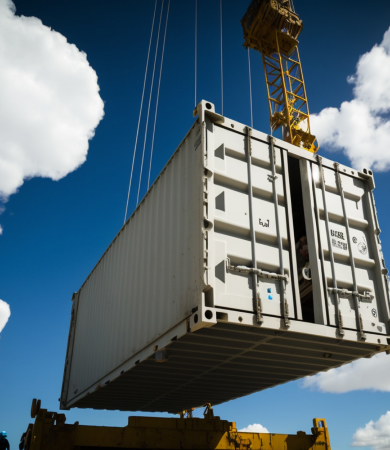
Regional container delivery & Adelaide container Transport in Australia faces formidable barriers from vast outback expanses, rugged terrain, and urban sprawl, frequently disrupting supply chains critical to the nation’s economy. Side loafers—compact, side-loading vehicles designed for precision navigation—offer a game-changing solution, enhancing last-mile access from coastal ports to remote mining outposts and holiday parks. By enabling deliveries where traditional rigid trucks falter, they promise faster, greener, and more reliable logistics tailored to Australia’s unique geography.
Australia’s sheer scale—7.7 million square kilometers with populations clustered along the coast—intensifies regional delivery woes. Over 80% of Australians live within 50 kilometers of the sea, yet Adelaide freight services must traverse thousands of kilometers inland, where narrow, unsealed roads like those in Queensland’s sugarcane belt or the Pilbara’s dusty highways exclude standard 40-foot semi-trailers due to low overpasses, sharp bends, and seasonal flooding. These constraints cause delays of 20-30%, stranding perishables like tropical fruits from Cairns to Sydney or mining consumables in the Northern Territory. Port-centric operations at key hubs such as Sydney’s Port Botany, Melbourne’s Swanson Dock, or Fremantle in Perth grapple with drayage bottlenecks. Chassis shortages, driver shortages fueled by fly-in-fly-out (FIFO) schedules, and regulatory compliance under the National Heavy Vehicle Regulator (NHVR) exacerbate issues, with urban fringes in Brisbane and the Gold Coast plagued by gridlock that spikes fuel costs amid surging e-commerce volumes. Extreme weather—cyclones in the north, bushfires in the south—further compounds vulnerabilities, inflating logistics expenses by up to 25% annually for SMEs reliant on just-in-time inventory.
Side Loafers Tailored for Aussie Condition
Side loafers stand out with their 2.5-3 meter widths, side-hinged hydraulic ramps, and pivot-steer systems, allowing lateral container loading without needing rear maneuvering space—ideal for unsealed B-roads and tight mine-site spurs. Australian specialists like Container Rotators in Queensland produce rugged models, while imports from Terberg (Netherlands) or Kalmar (Finland) dominate fleets, handling 20- or 40-TEU containers in 50°C outback heat thanks to dust-sealed cabs, reinforced chassis, and high-ground clearance.Electric and hybrid variants minimize noise for FIFO camps near Broome or noise-restricted holiday parks in Tasmania, while 4×4 configurations with 30-tonne capacities conquer gravel tracks to remote homestays. ISO compliance ensures seamless transfers at intermodal hubs like Moorebank in NSW or Acacia Ridge in Brisbane, integrating with rail networks such as Aurizon’s lines. Advanced features like automatic stability controls and telematics prevent tip-overs on uneven terrain, a common hazard on routes like the Great Ocean Road.
Benefits for Australian Logistics
Deploying side loafers trims regional transit times by 25-35%, crucial for time-sensitive goods like live seafood from Darwin to Alice Springs or pharmaceuticals to rural clinics. Fuel efficiency gains of 15-20% offset Australia’s elevated diesel prices (often AUD 2+ per liter), while reduced idling aligns with the 2050 Net Zero emissions target, cutting CO2 by up to 40% per trip compared to standard rigs.
Narrower profiles lower rollover risks by 50% on winding coastal highways, and 360-degree cameras enhance visibility in dust storms. For SMEs in retail, fashion, and mining supply chains, less-than-container-load (LCL) options via side loaders slash deadhead miles—empty return trips—by 30%, enabling affordable deliveries to outback stations or coastal eco-resorts. Economic ripple effects include bolstered regional jobs in maintenance and operation, supporting FIFO communities.
Australian Case Studies
In Western Australia’s Pilbara, Rio Tinto integrates side loafers for iron ore consumables, accessing narrow mine spurs inaccessible to semis and boosting on-site productivity by 35% since 2024 trials. Post-2024 Victorian floods, Port of Melbourne’s side loafer program reduced drayage delays from 48 to 12 hours, sustaining supermarket supplies amid infrastructure rebuilds.
Brisbane’s recycling firms, akin to efficient suburban models elsewhere, leverage compact loaders for kerbside container pickups in flood-vulnerable suburbs, achieving 98% collection rates. In NSW, e-commerce operators at Enfield Intermodal Terminal report 95% on-time deliveries to regional hubs like Dubbo, powering fashion drops to holiday parks and travel gear to the Snowy Mountains—mirroring tailored logistics for diverse sectors.
Implementation Strategies in OzFleet operators should hybridize with 30-40% side loafers allocated to regional contracts, partnering with Aurizon or Pacific National for rail handoffs. NHVR-accredited training programs, including side-loading simulations on public roads, have halved loading incidents in pilot fleets, emphasizing mass distribution and stability.Integrate transport management systems (TMS) like Motive, Teletrac Navman, or Blackwoods for AI-driven route optimization using Geoscience Australia GPS data to preempt obstacles like washouts. Government incentives under the New Vehicle Efficiency Standard (NVES) and Heavy Vehicle National Law reforms subsidize EV side loafers, with grants up to AUD 50,000 per unit. SMEs at consolidation points like Perth’s Forrestfield or Adelaide’s outer hubs consolidate LCL shipments, reducing FCL minimums from 20 tonnes to 10, democratizing access for fashion brands shipping to Tasmania or recycling firms in rural Victoria.
Regulatory and Economic Considerations
Compliance with Australia’s Heavy Vehicle Road Use Mass (RUM) scheme mandates precise weighing at side-loading, but loafers’ built-in axle scales streamline this, avoiding fines up to AUD 15,000. Economic analyses project AUD 1.2 billion in annual savings by 2030 through reduced road wear and accident costs, per Infrastructure Australia reports. Insurance premiums drop 15% due to superior safety data, appealing to risk-averse mining contractors.
Future in Australian Freight
Autonomous side loafer pilots at Dampier Port signal 24/7 operations amid worsening driver shortages, with Level 4 autonomy trials by 2027. Hydrogen fuel cell models target 2030 green mandates, offering 500+ km ranges for Nullarbor or Stuart Highway hauls without refueling infrastructure gaps.E-commerce surges in regional Queensland and Tasmania position side loafers to revolutionize fashion logistics to beachside holiday parks and travel gear to mountain retreats. Mega-projects like Inland Rail and Brisbane’s Cross River Rail will amplify their integration, fostering hyper-resilient supply chains resilient to climate shocks and trade disruptions Down Under.