
Container Transport Modes: Road vs Rail vs Sea—What’s Best?
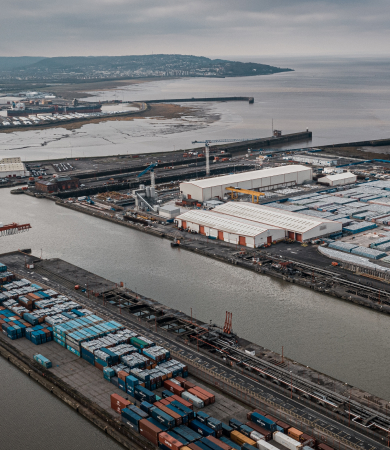
Container transport is a critical part of today’s logistics and supply chain operations. From local deliveries to international trade, businesses depend on efficient shipping container transport to move goods safely, cost-effectively, and on time. In Australia, and especially for businesses relying on Adelaide container transport, choosing the right transport mode can make a major difference to operational success.
The three main container transport modes—road, rail, and sea—each serve a unique purpose. While no single option is perfect for every situation, understanding how these modes compare helps businesses select the most suitable solution for their freight needs.
Road Transport: Speed and Flexibility for Local and Regional Freight
Road transport is the most commonly used mode for container movement, particularly for short to medium distances. Trucks provide direct, door-to-door delivery, making road transport highly flexible and convenient. For businesses operating within South Australia, road freight plays a central role in Adelaide container transport, especially for port pickups, warehouse deliveries, and construction or retail distribution.
One of the biggest advantages of road transport is speed over short distances. Containers can be collected and delivered without the need for intermediate handling, which reduces delays and the risk of cargo damage. This makes road transport ideal for time-sensitive freight and last-mile delivery. Road transport also allows businesses to customize routes and schedules, offering a level of control that other transport modes cannot match.
However, road transport becomes less cost-effective over long distances. Fuel costs, tolls, traffic congestion, and driver availability can all impact pricing and reliability. Road freight also has a higher environmental footprint compared to rail or sea transport. Despite these limitations, road transport remains essential for Adelaide freight services, particularly when flexibility and fast turnaround are priorities.
Rail Transport: Efficient and Sustainable for Long-Distance Inland Moves
Rail transport is best suited for moving containers over long distances within Australia. It is commonly used for interstate freight between Adelaide and major cities such as Melbourne, Sydney, and Perth. Rail plays an important role in supporting large-scale shipping container transport, especially for businesses moving high volumes of goods.
One of rail transport’s key advantages is cost efficiency over long distances. Rail can move large quantities of freight using less fuel per tonne than road transport, making it both economical and environmentally friendly. Rail services also tend to be more consistent, as they are less affected by road congestion and weather conditions.
That said, rail transport lacks the flexibility of road freight. Rail operates on fixed routes and schedules, and containers must be transferred to trucks for final delivery. This additional handling can add time and complexity, particularly for urgent shipments. Even so, many Adelaide freight services rely on a rail-and-road combination to balance cost, sustainability, and reliability for long-haul domestic freight.
Sea Transport: The Backbone of International Container Shipping
Sea transport is the most cost-effective option for moving containers over long distances, particularly for international trade. It is the foundation of global logistics and a vital part of shipping container transport for imports and exports. Adelaide’s port connects South Australian businesses to international markets, making sea freight an essential component of Adelaide container transport.
The main advantage of sea transport is its ability to move very large volumes of freight at a low cost per unit. This makes it ideal for bulk goods, heavy cargo, and non-urgent shipments. Sea freight is also more fuel-efficient per tonne compared to road transport, contributing to lower emissions on a global scale.
However, sea transport is significantly slower than road or rail. Transit times can be lengthy, and delays may occur due to port congestion, customs clearance, or adverse weather conditions. Scheduling is less flexible, which means sea freight is not suitable for urgent deliveries. Despite these challenges, sea transport remains the preferred choice for international shipping and large-scale freight movements supported by Adelaide freight services.
Which Container Transport Mode Is Best?
There is no single “best” container transport mode—only the best option for a specific situation. Road transport is ideal for local and time-critical deliveries, rail transport offers cost and sustainability benefits for long-distance inland freight, and sea transport is unmatched for international and bulk shipping.
In practice, most logistics operations use a combination of all three modes. A container may arrive in Adelaide by sea, move interstate by rail, and be delivered locally by road. By using intermodal solutions, businesses can optimise costs, improve efficiency, and reduce environmental impact.
Choosing the right transport mode depends on factors such as distance, delivery timelines, freight volume, and budget. Working with experienced providers of Adelaide container transport and Adelaide freight services ensures that businesses receive tailored solutions that meet their logistics needs while supporting long-term growth.